Beryllium copper (BeCu), also known as copper beryllium, is a high-performance copper alloy that delivers steel-like strength combined with excellent electrical and thermal conductivity. Containing between 0.5% and 3% beryllium, this premium engineering alloy fills the gap where other copper alloys fail under extreme mechanical stress.
Key Material Properties
Exceptional Tensile Strength: Reaches tensile strengths up to 1400 MPa after heat treatment, rivaling high-strength alloy steels.
High Conductivity: Maintains excellent electrical and thermal conductivity compared to steels and superalloys.
Non-Sparking and Non-Magnetic: Safe for use in explosive environments and delicate electronics sensitive to magnetic fields.
Wear and Fatigue Resistance: Exhibits superb resistance to galling, continuous flexing, and cyclic stress.
Extreme Temperature Stability: Retains its mechanical properties in cryogenic temperatures as well as elevated operating environments.
Common Industry Applications
Oil & Gas: Machined into non-sparking hand tools, drilling components, and housing units for directional drilling equipment.
Electronics & Aerospace: Formed into heavy-duty electrical contacts, springs, connectors, and switch components for aircraft and satellites.
Automotive Resistance Welding: Utilized as plunger tips and welding electrodes due to its thermal dissipation and durability.
Injection Moulding: Selected for core pins and cavities in plastic moulds because it cools rapidly, shrinking cycle times.
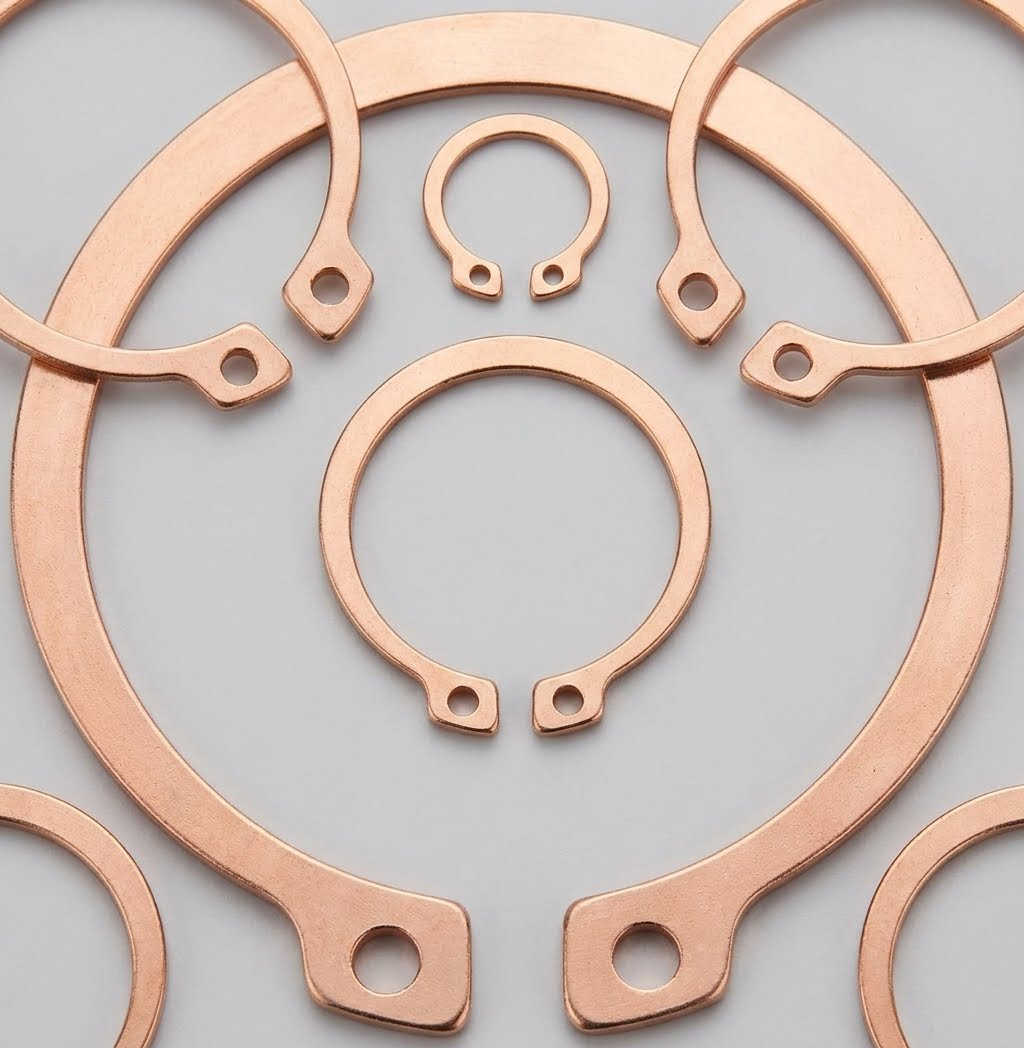
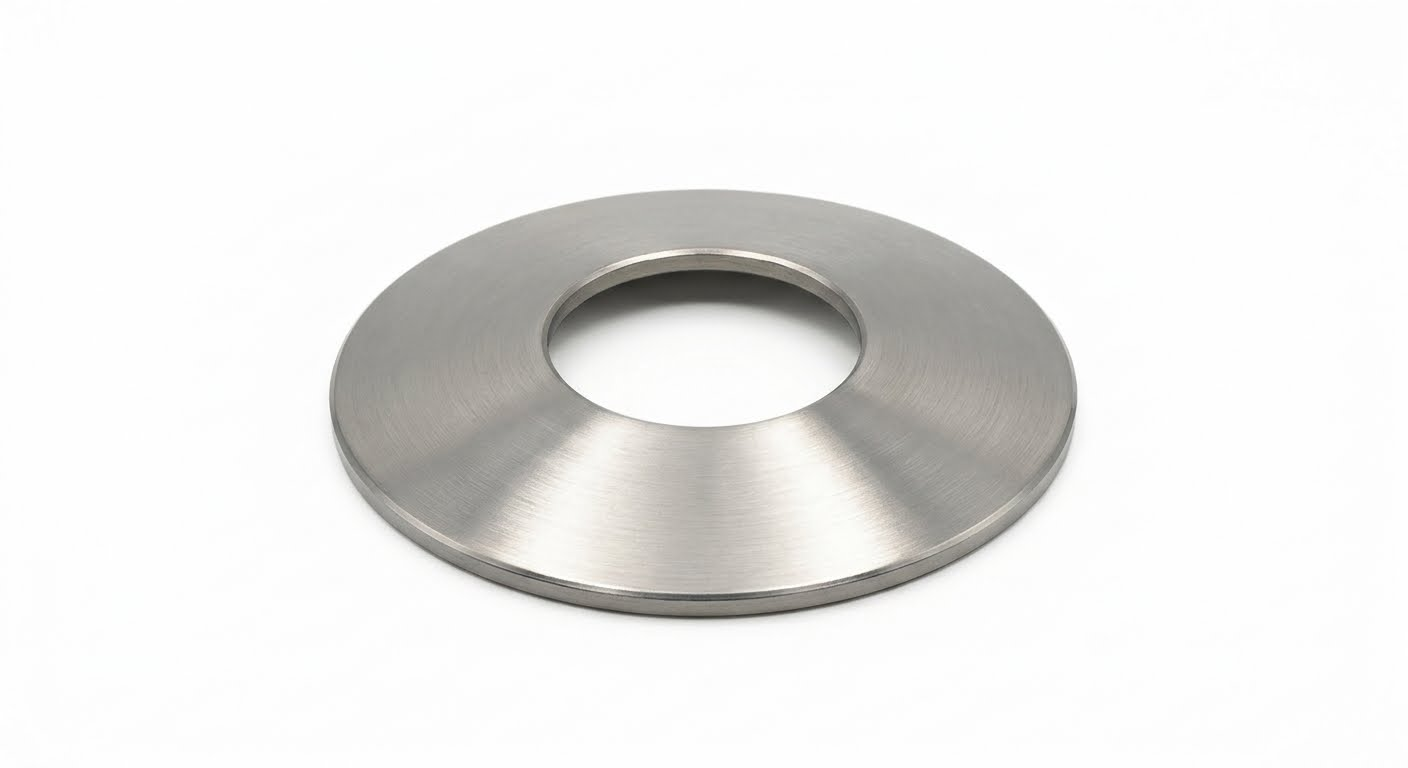
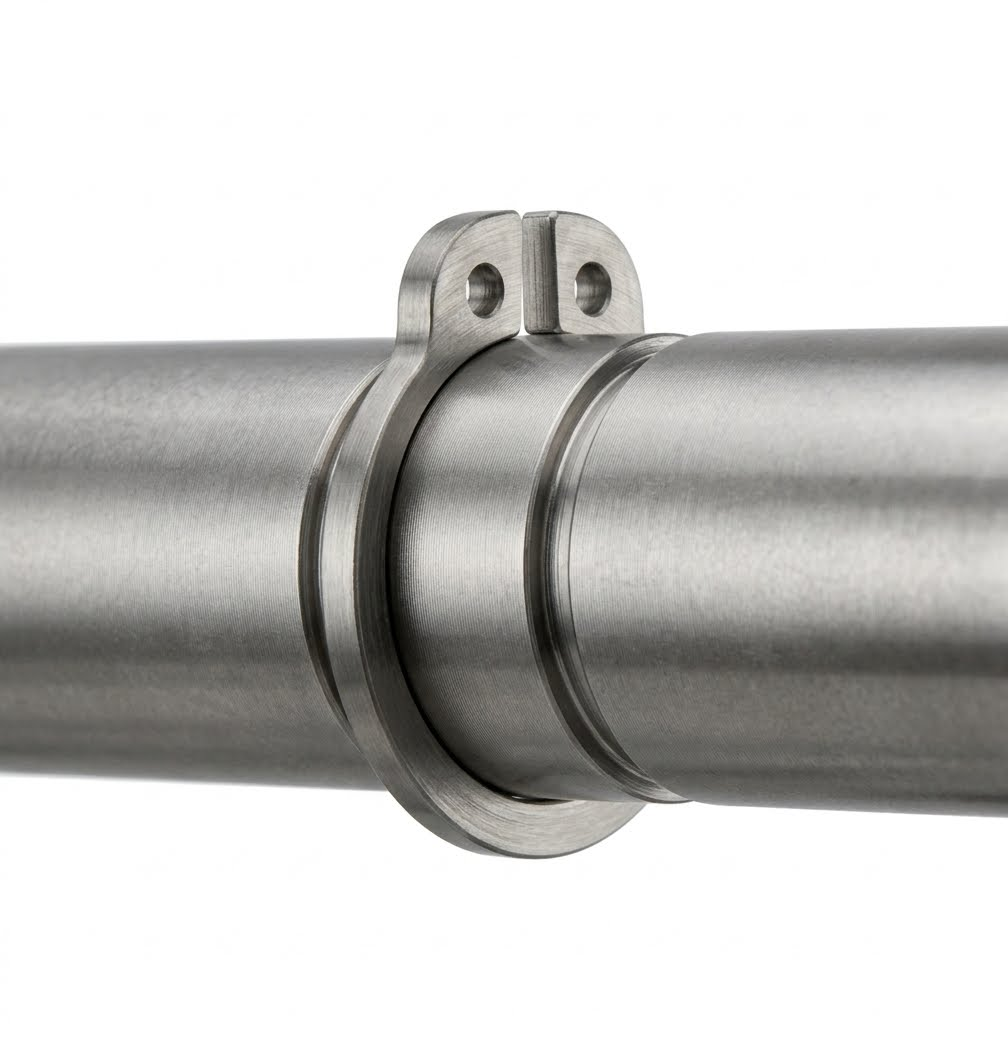
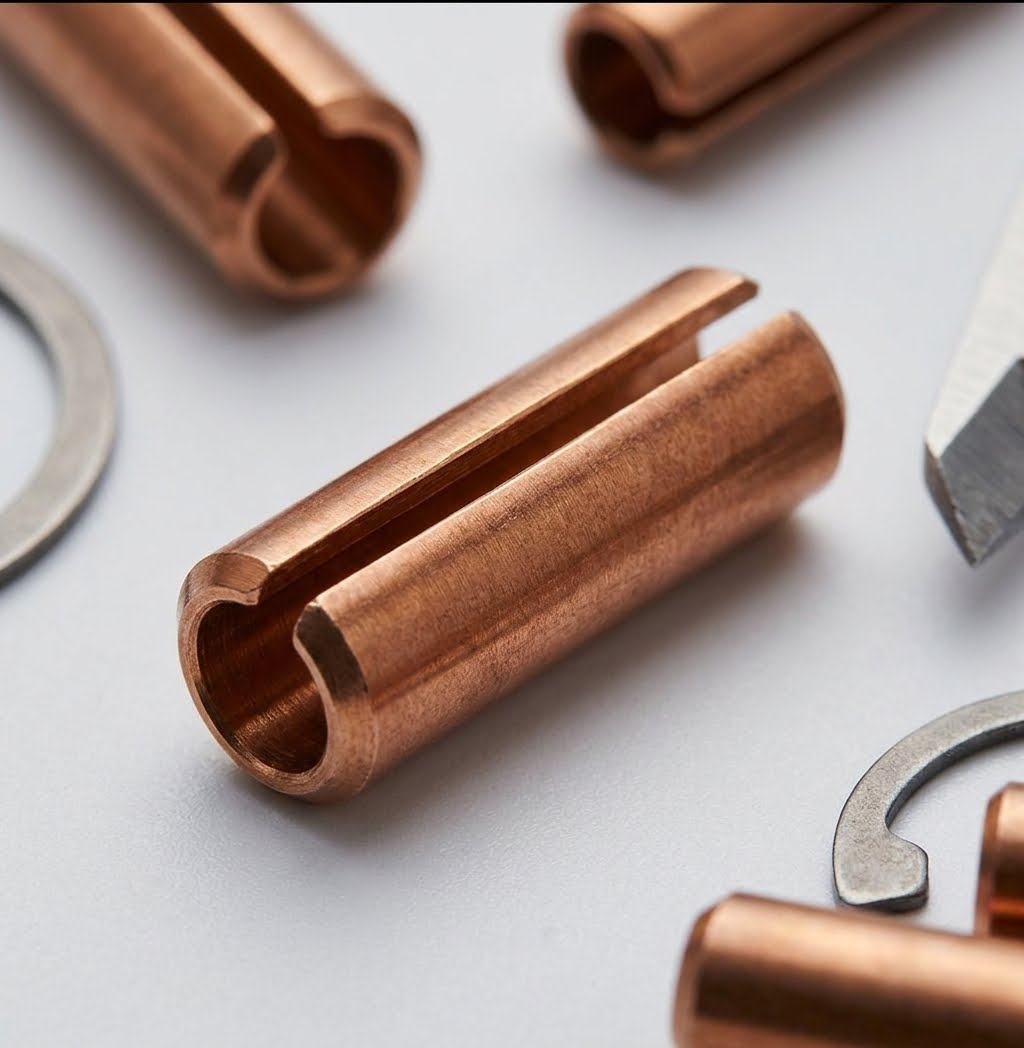
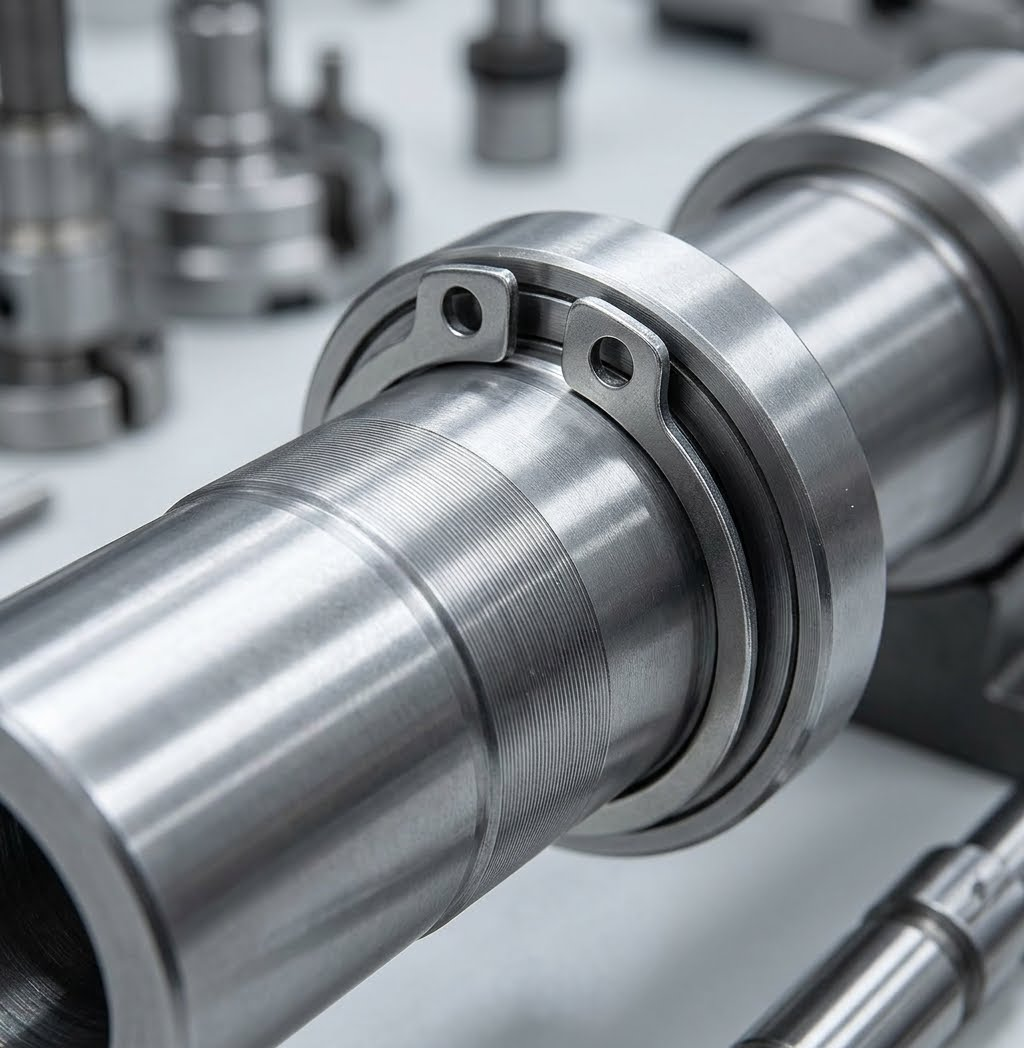
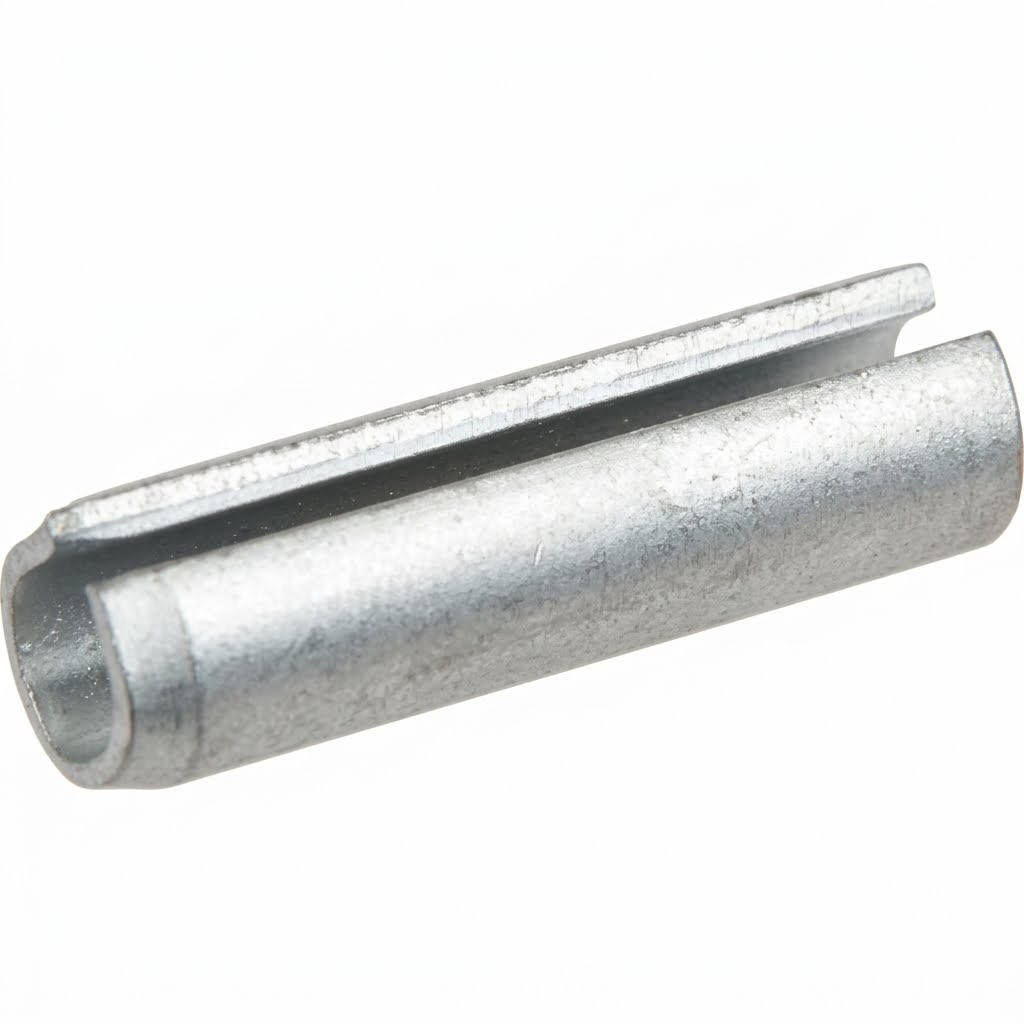
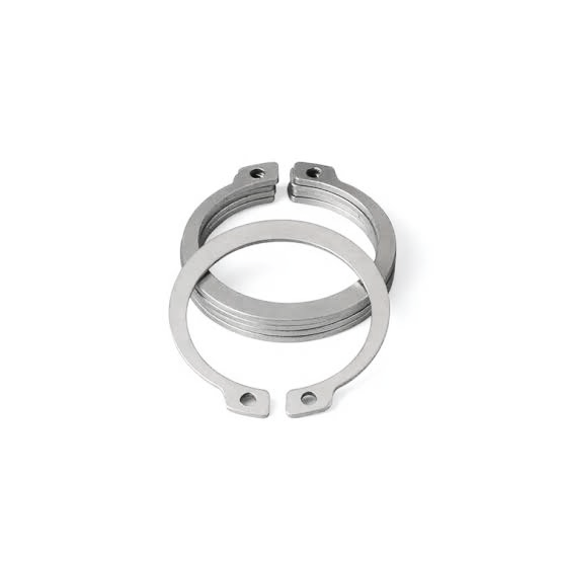
We can offer a range of non-threaded fasteners in Beryllium Copper, such as, Circlips, E-Clips, Disc Springs (Belleville Washers), Cotter Pins, Wave Washers and more.
Please don’t hesitate to contact us with any enquiry you may have.
Nimonic 90 is a nickel-chromium-cobalt-based superalloy designed to withstand extreme environments. It maintains exceptional structural integrity and mechanical properties at temperatures where standard steels would instantly soften or warp. Strengthened by additions of titanium and aluminium, this precipitation-hardenable alloy is a staple choice for high-stress, high-temperature engineering.
Key Material Properties
Exceptional High-Temperature Strength: Retains its mechanical workload capacity at temperatures up to 920°C (1688°F).
Creep Resistance: Resists permanent deformation under continuous high-stress loads over long periods.
High-Temperature Oxidation Resistance: Formulated to withstand severe scaling and corrosion in hot gas environments.
Fatigue Endurance: Endures rapid, repeated thermal cycles and mechanical vibrations without cracking.
Common Industry Applications
Aerospace & Aviation: Fabricated into gas turbine blades, discs, rings, and hot-section structural components.
Automotive Performance: Used to manufacture high-performance turbocharger rotors and exhaust valves for racing engines.
Industrial Gas Turbines: Chosen for high-temperature springs, fasteners, and shroud segments in power generation plants.
Nuclear Engineering: Applied in high-temperature reactor core components due to its stability under thermal stress.
We can supply a wide range of Non-Threaded Fasteners in Nimonic 90. Please contact us today for a free quotation.
Titanium non-threaded fasteners are the ultimate choice for critical engineering projects because they offer an unmatched combination of high strength, extremely low weight, and absolute corrosion resistance. Choosing titanium over traditional metals like steel or aluminium ensures that your assemblies can withstand extreme environments without adding unneeded weight.
It offers corrosion resistance in elements such as salt-water (subsea conditions) and other harsh environments. It is also up to 45% lighter than normal steel, but is denser than aluminum.
Exceptional Strength-to-Weight Ratio: Titanium is roughly 45% lighter than steel while delivering equal or higher tensile strength. Immunity to Rust: It naturally forms a stable, protective titanium oxide film. This makes it impervious to saltwater, chlorides, and harsh industrial chemicals. Thermal Stability: These fasteners maintain their structural integrity across massive temperature spikes, performing reliably from cryogenic conditions up to 400°C. Non-Magnetic Properties: Highly useful for preventing electronic or magnetic interference in sensitive instruments.
We can offer high quality bespoke products in titanium material. Please contact us today for a free quotation, using the contact form below.
Phosphor bronze is a copper alloy containing copper, tin, and phosphorus. The addition of tin increases corrosion resistance and strength. Phosphorus increases wear resistance and stiffness. This combination creates a highly durable material widely used in demanding electrical, marine, and industrial applications.
Key Material Properties
High Elasticity: Retains its shape perfectly after repeated bending or flexing.
Fatigue Resistance: Resists cracking or breaking under continuous mechanical stress.
Low Friction: Provides excellent wear resistance when rubbing against other metals.
Corrosion Resistance: Withstands harsh environments, including saltwater and chemicals.
Electrical Conductivity: Conducts electricity efficiently while maintaining structural strength.
Common Industry Applications
Electronics: Used for electrical springs, switches, relays, and connectors due to its conductivity and spring retention.
Marine Engineering: Formed into ship propellers, shafts, and underwater bolts because it resists saltwater corrosion.
Musical Instruments: Selected for acoustic guitar strings, saxophone bells, and cymbals to produce a bright, rich tone.
Heavy Machinery: Machined into sleeve bushings, thrust washers, and gears requiring high load-bearing capacity.
Popular Material Grades
Grade C51000 (5% Tin): The most common grade for electrical contacts, terminals, and springs.
Grade C54400 (4% Tin, 4% Lead, 4% Zinc): Extremely easy to machine, making it ideal for bearings, bushings, and gear parts.
Have an enquiry? Please don’t hesitate to contact us.
A4 (AISI 316) grade stainless steel is a highly corrosive stainless steel that contains molybdenum. It has a higher Nickel content to that of A2 stainless steel.
This grade contains anti-corrosive properties making a great choice for marine applications.
The molybdenum content within this stainless, increases the corrosion resistance to withstand attack from industrial chemicals, chlorides and solvents.
This grade of stainless is also used in surgical environments, as it’s smooth surface and anti-corrosive properties makes it easy to clean.
A4 Stainless has long durability.
Here at Caleb Components, we can offer a wide range of our non-threaded fasteners in A4 Stainless Steel, including Circlips, E-Clips, Spring Tension Pins (Roll Pins) and Cotter Pins.
In modern engineering, standard materials like steel and aluminium often hit a hard physical limit. When temperatures soar past 500°C, or when corrosive acids threaten to dissolve equipment, regular metals weaken, deform, and fail.
Enter Inconel.
Inconel is a family of nickel-chromium-based superalloys specifically engineered to thrive in environments that would destroy ordinary metals. Here is a deep dive into why this material is indispensable to high-stakes industries worldwide.
What Makes Inconel a “Superalloy”?
The secret to Inconel’s power lies in its chemical formulation. Primarily composed of nickel and chromium, it also incorporates trace elements like iron, molybdenum, niobium, and titanium.
When exposed to extreme heat, Inconel undergoes a unique chemical reaction. Instead of breaking down, it forms a thick, incredibly stable passivating oxide layer on its surface. This layer acts as a permanent shield, protecting the rest of the component from further oxidation, corrosion, and thermal degradation.
Key Performance Benefits
Extreme Thermal Stability: Maintains its structural and tensile strength at temperatures exceeding 700°C (1,300°F).
Creep Resistance: Resists permanent mechanical deformation under continuous, high-stress loads over long periods.
Corrosion Immunity: Withstands aggressive chemical exposure, including saltwater, sulfuric acid, and hydrochloric acid.
Cryogenic Strength: Unlike steels that become brittle in freezing environments, Inconel maintains excellent ductility at sub-zero temperatures.
We can supply a wide range of products in this material, including Circlips and Disc Springs (Belleville Washers).
Inconel Materials we can offer:
Inconel 625
Inconel 718
Inconel X750
Have an enquiry for an Inconel product? Please don’t hesitate to get in touch with us.
When it comes to protecting high-strength metal components, standard electro-zinc plating or heavy hot-dip galvanising eventually hit a wall. Traditional methods can introduce microscopic weaknesses, while heavy dipping can ruin the fine tolerances of precision parts.
Dacromet—a highly specialized, non-electrolytic zinc flake surface technology—replaces traditional methods by combining ultra-thin layers with brute-force corrosion resistance.
If you are manufacturing or specifying heavy-duty parts, automotive components, or high-grade fasteners, here is why Dacromet has become the global industrial standard.
Dacromet is not just a surface wrap; it is an inorganic coating composed of overlapping zinc and aluminum flakes bound together by a specialized matrix. This formulation gives it several distinct advantages:
1. Zero Hydrogen Embrittlement (The Fastener Lifesaver)
Traditional electroplating relies on acid pickling and an electrical current. This process inadvertently forces hydrogen ions into the metal matrix, causing high-strength steel bolts (Grade 10.9 and 12.9) to crack and snap unpredictably under tension. Because Dacromet is applied without electrolysis or acid, it eliminates the risk of hydrogen embrittlement entirely, making it the safest choice for critical load-bearing joints.
2. Extreme Salt Spray Endurance
Standard zinc plating offers about 200 to 300 hours of protection before red rust takes over. Despite being an incredibly thin layer (typically just 4 to 8 microns), a Dacromet coating withstands over 1,000 hours of neutral salt spray testing. That is up to 10 times the anti-rust performance of traditional options.
3. High Thermal Stability
Many defensive coatings peel, blister, or degrade when exposed to heat, rendering them useless in environments over 100°C. Dacromet remains completely stable and resists corrosion at continuous temperatures up to 300°C. This makes it perfectly suited for vehicle engine compartments, braking systems, and heavy industrial machinery.
4. Flawless Coverage on Mating Parts
Hot-dip galvanising leaves behind a rugged, thick, and uneven texture that easily clogs up internal threads. Dacromet is applied using a specialized dip-spin process. The liquid slurry flows evenly into deep recesses and fine thread pitches, then spins off excess material to guarantee a highly uniform matte-silver finish without ruining the part’s dimensions.
⚙️ How the Dip-Spin Process Works
Instead of floating ions onto the metal using electricity, the Dacromet technique relies on mechanical immersion and heat:
Mechanical Cleaning: Metal parts are shot-blasted or degreased without harsh acids to completely clean the substrate.
The Dip-Spin: Parts are placed into a mesh basket, submerged into the zinc-aluminum slurry, and spun at high speeds to centrifugally remove any excess coating.
Curing: The parts are baked in industrial ovens at roughly 300°C to 320°C. This heat fuses the metallic flakes together into an incredibly dense, overlapping shield.
🏎️ Where is Dacromet Used?
Because it thrives where salt, heat, and structural stress collide, you will find Dacromet coatings widely utilized across several sectors:
Automotive: Brake discs, calipers, leaf springs, and structural under-chassis fasteners.
Infrastructure: High-tension structural fasteners used in bridges, railways, and heavy construction.
If you require a quotation or technical assistance on Delta-Tone plated Non-Threaded Fasteners, please contact us today. Call + 44 (0)121 661 6664 or email us at sales@calebcomponents.com
Caleb Components – UK Supplier of Non-Threaded Fasteners in Delta-Tone (Dacromet) finish.
Here are Caleb Components we can supply high quality Inconel Disc Spring Washers (also known as Belleville Washers). We can offer Inconel 718 and Inconel X750 Disc Springs to either standard sized Disc Springs or special sized Disc Springs (full design service available).
Inconel material is a highly ductile alloy which offers excellent properties particularly in the use of Disc Springs. Inconel can be used in very low or very high temperature applications and is anti-magnetic. Inconel also offers very good anti-corrosive properties. Inconel Disc Springs can also be used for offshore applications, subsea applications, chemical industries and anywhere that high temperatures are required or in a cryogenic environment.
With full technical help available, we welcome any enquiry you may have for our Inconel Disc Springs. Call today on + 44 (0)121 661 6664 or email us at sales@calebcomponents.com
Titanium circlips are the ultimate upgrade for high-performance engineering, offering an unparalleled strength-to-weight ratio and absolute corrosion resistance compared to traditional steel variants. Often referred to as retaining rings, these precision fasteners are engineered to sit inside a machined groove on a shaft or housing bore, using radial tension to keep components locked firmly in place under intense vibration. While standard spring steel is prone to rust and degradation over time, switching to titanium brings specialized benefits to elite automotive, aerospace, and cycling applications.
🔧 Where Are Titanium Circlips Used?
Because of their premium cost, titanium snap rings are reserved for elite mechanical environments where failure is not an option:
Motorsports: High-performance bikes like the Suzuki RGV250 or GSX-R600 rely on titanium external circlips to lock drive sprockets in place or secure drilled titanium brake pad pins.
Premium Cycling: Weight-conscious cyclists use titanium circlips and bolts on brake pad assemblies and bottom brackets to build sub-7kg setups.
Marine & Aerospace Hardware: Any application subjected to heavy saltwater exposure or extreme thermal cycling benefits from titanium’s inability to rust or degrade.