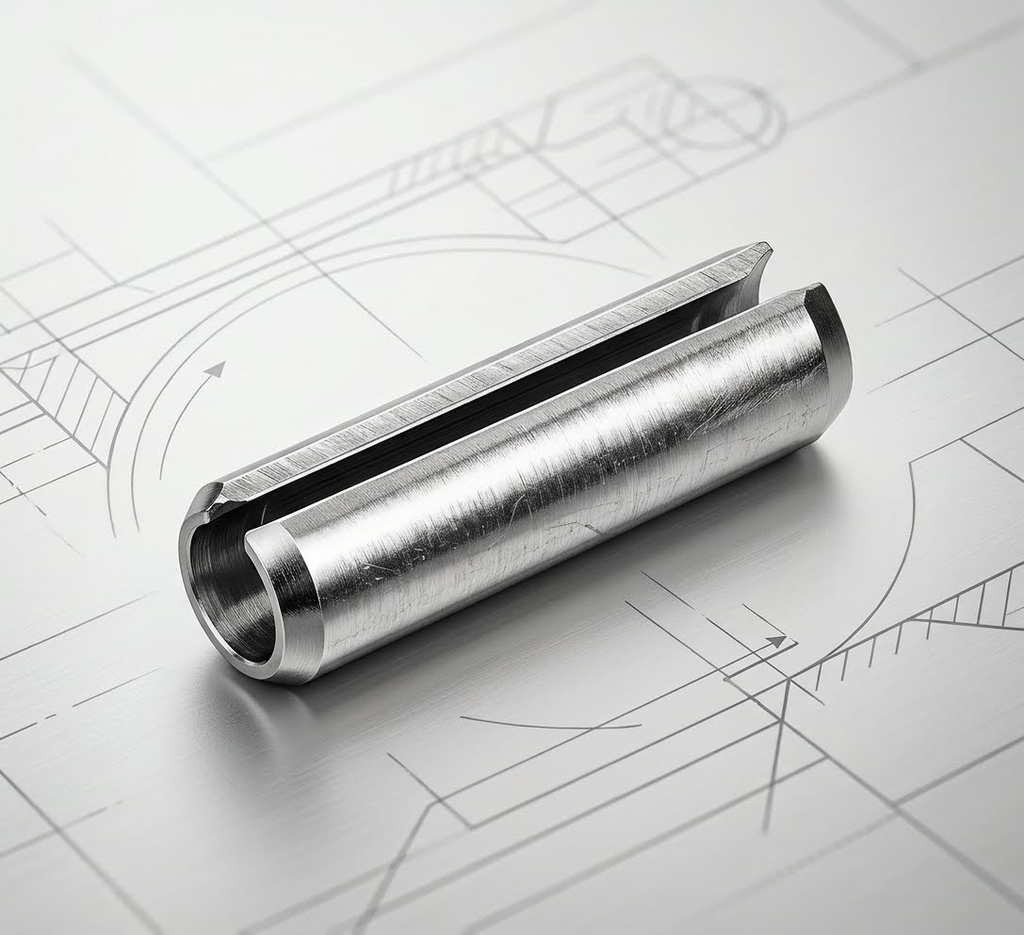
In the automotive industry, spring tension pins are critical fasteners chosen for their unmatched resistance to severe road vibrations, high rotational shock loads, and extreme thermal cycling.
Vehicles constantly subject their components to dynamic forces that would cause standard threaded bolts or rigid screws to work themselves loose. Because spring pins apply continuous outward radial pressure against the host hole walls, they create a permanent frictional lock that stays secure without needing adhesive threadlockers or locking washers.
Automotive engineers utilize them across several critical assemblies:
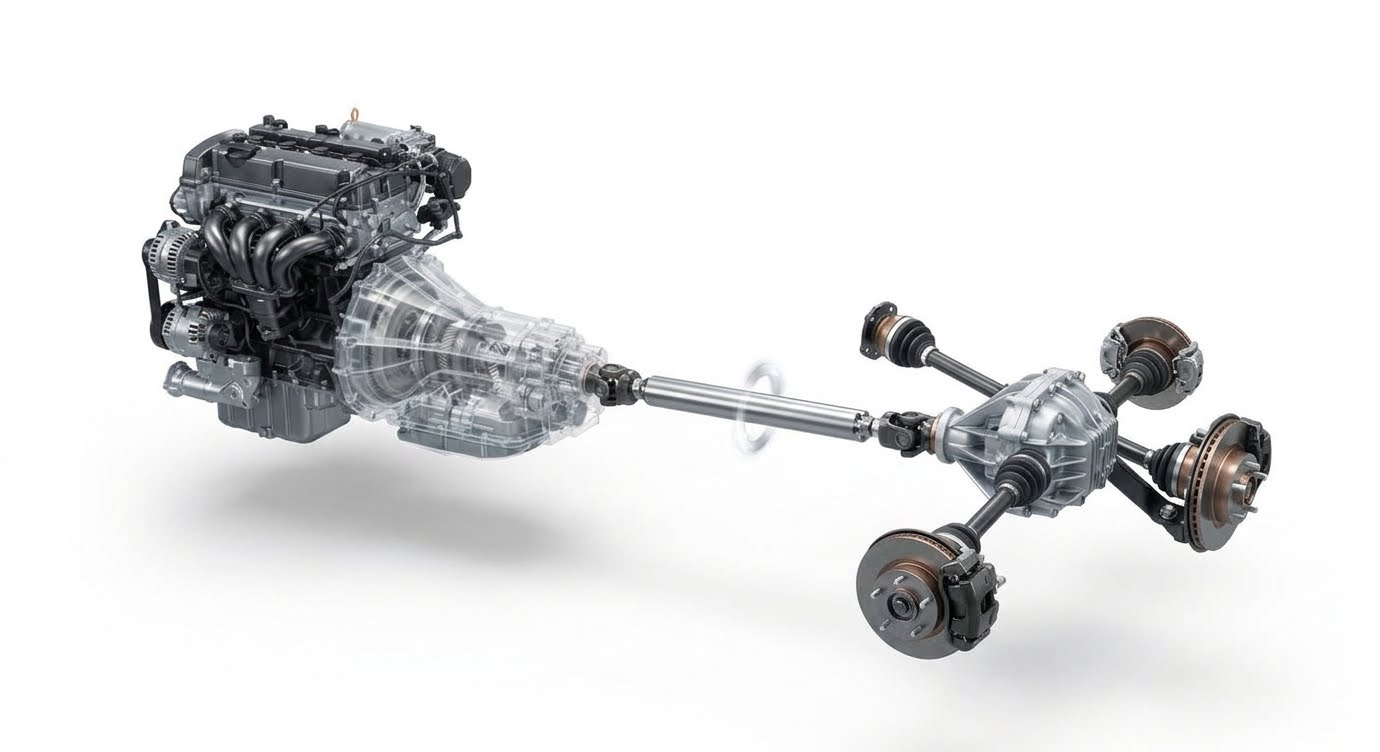
1. Drivetrain and Transmissions
- Gear Selectors & Shift Linkages: Driven through the gear shift rods and internal transmission forks to securely lock the manual or automatic gear selector mechanism to the control shaft.
- Gear-to-Shaft Fastening: Used inside transmission systems and differentials to pin gears, splines, or drive hubs directly onto rotating shafts, transferring rotational torque without slipping.
- Driveshafts & Axles: Employed in inner axle CV joints or transmission output shafts (particularly common in older European platforms like Renault or Lotus transmissions) to retain the driveshaft assembly to the spline.
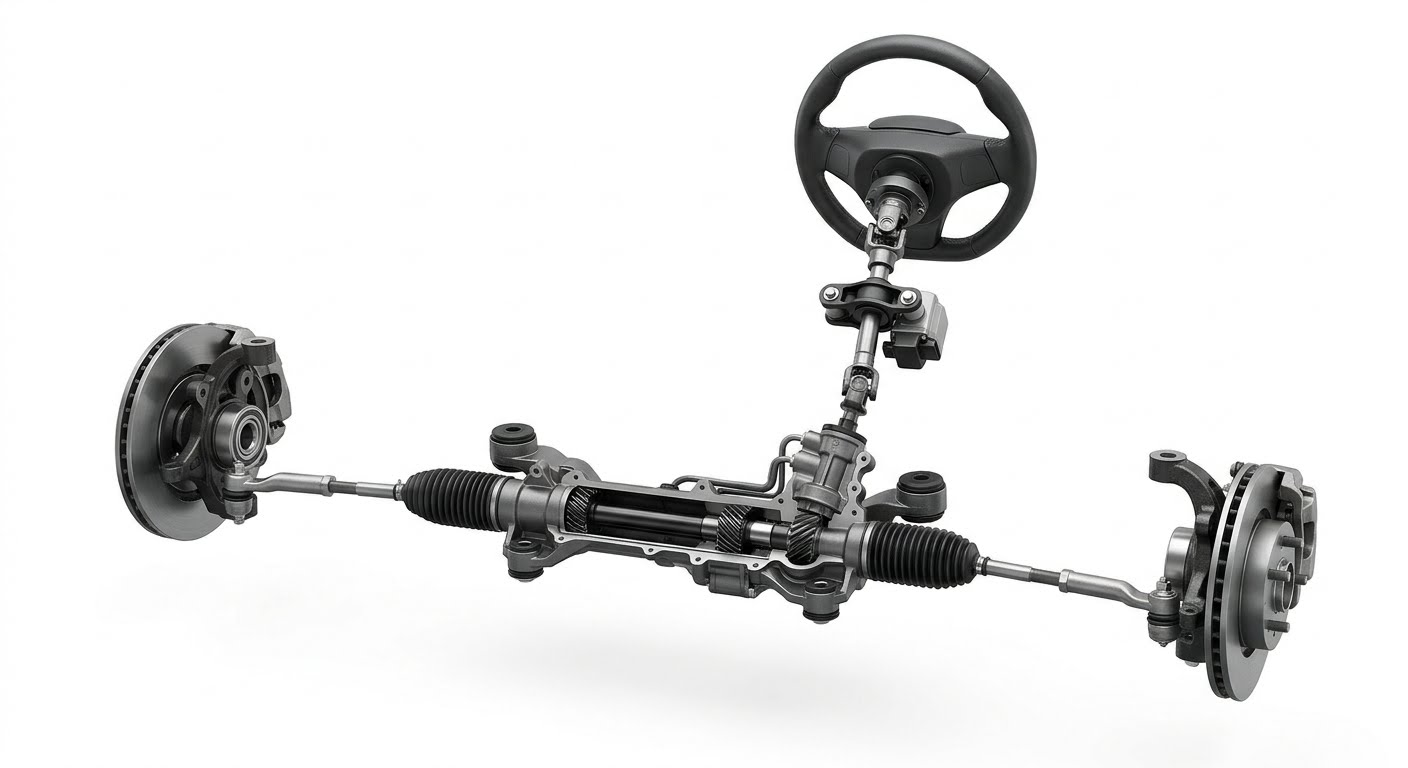
2. Steering Systems
- Steering Columns: Used to pin the universal joints (U-joints) and intermediate shafts within the steering column assembly. Their ability to flex under dynamic loads prevents fatigue failure as the driver steers over rough terrain.
- Steering Boxes: Utilized inside the rack-and-pinion housing or steering box to pin internal components and maintain rotational alignment under heavy physical resistance.
3. Engine and Fuel Systems
- Locating & Alignment Dowels: Inserted into precision junctions—like the oil pump housing to the engine block or split crankcases—to perfectly align sub-assemblies before the main casing bolts are torqued down.
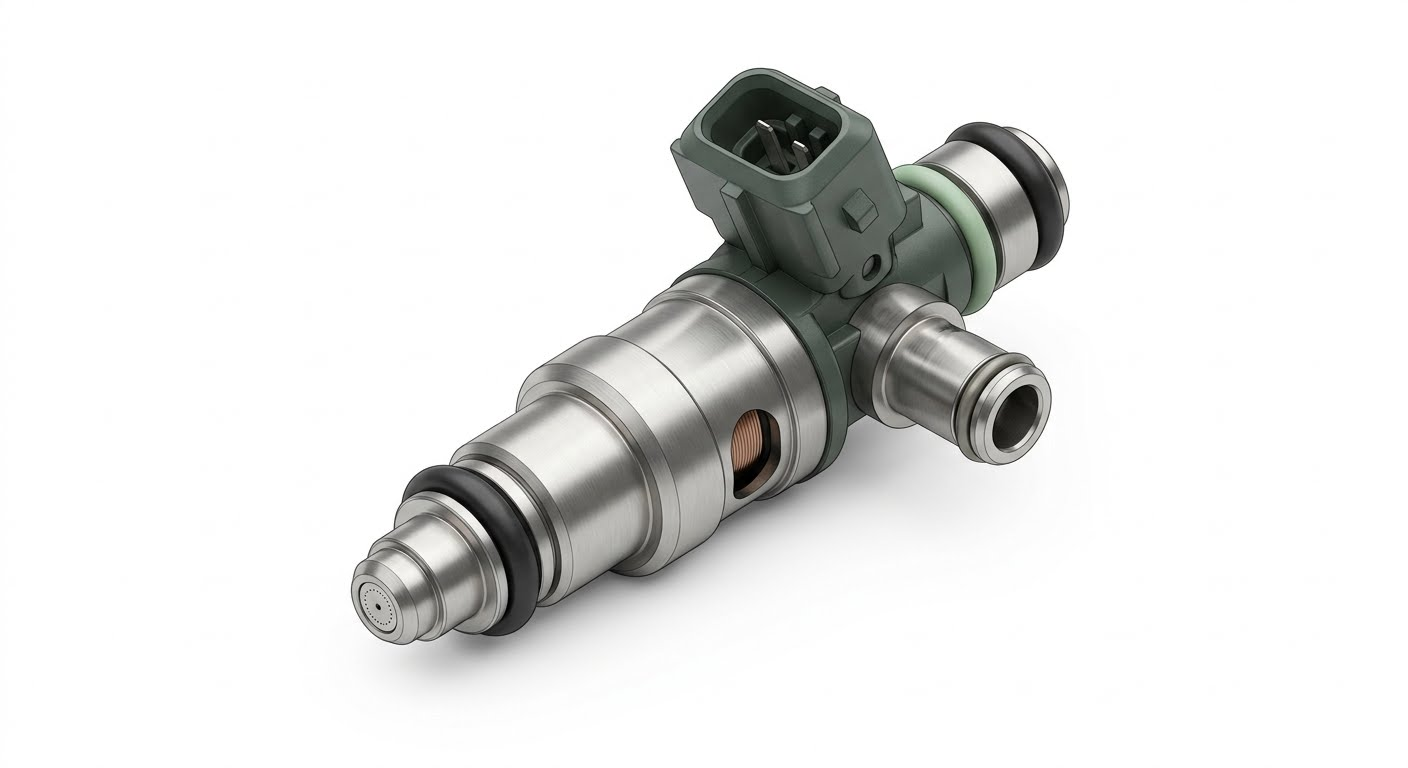
- Fuel Injectors & Fluid Flow Control: Because spring pins are hollow, they are uniquely used inside fuel injector assemblies to intentionally restrict or meter the flow of oil, coolant, or fuel through their inner diameter.
4. Body, Interiors, and Accessories
- Door Handles and Latches: Acting as the compact, high-durability hinge pin or pivot axis inside interior and exterior door handles, fuel door latches, and glovebox hinges.
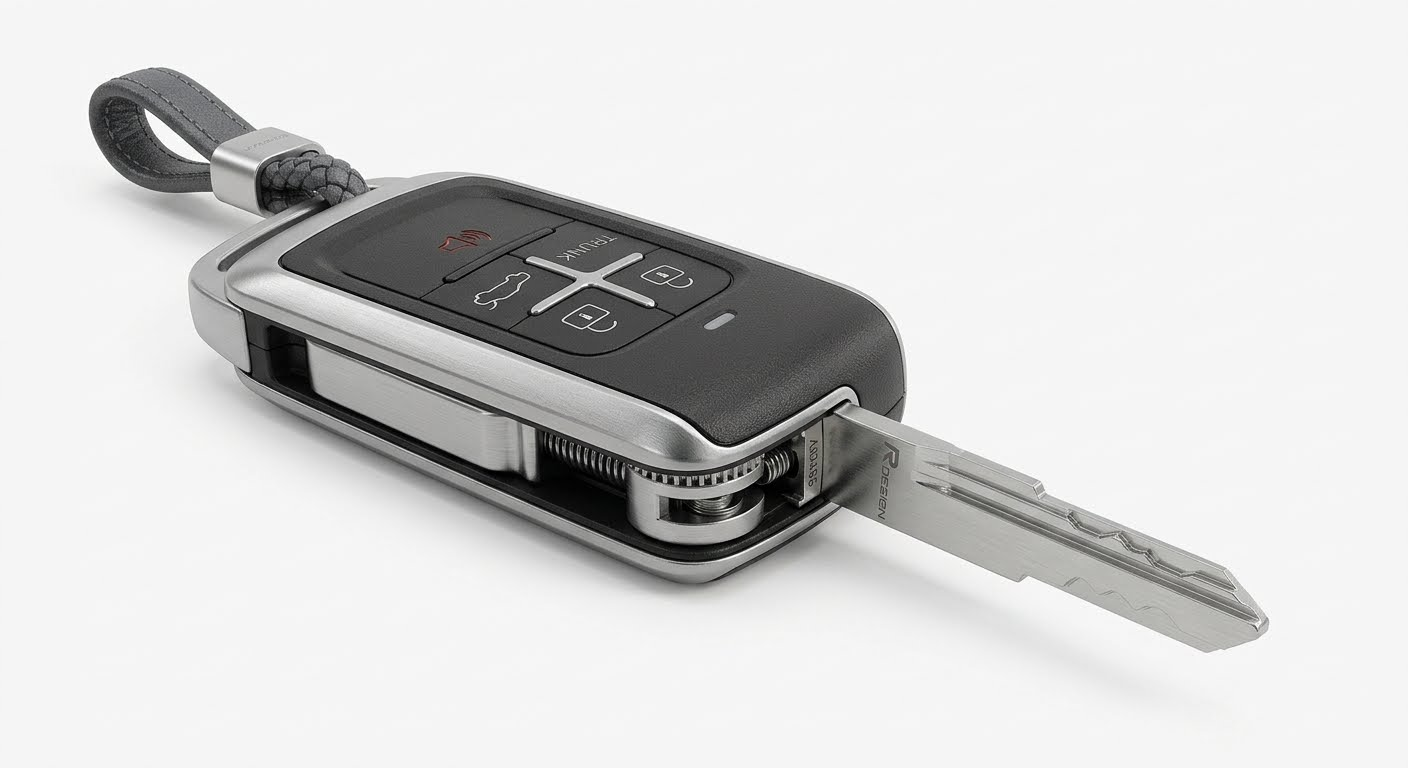
- Key Fobs: Used as a tiny micro-pin to fasten the flip-out metal key blade into the plastic housing of the vehicle’s key fob.
- Fluid Dipsticks: Used to fasten the flat metal indicator blade to the plastic handle assembly.
Enquire with us today about our Spring Tension Pins, used throughout the automotive industry.