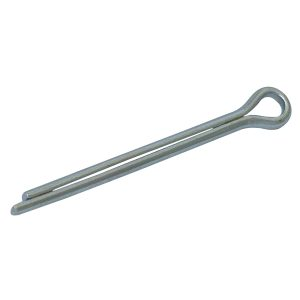
In the world of mechanical engineering and machinery restoration, it is often the smallest components that carry the heaviest responsibilities. Enter the humble cotter pin (or split pin, as it is frequently called). While modern industrial manufacturing has largely shifted toward metric standards, imperial cotter pins remain an absolute staple for engineers, mechanics, and vintage restoration enthusiasts.
Whether you are working on a classic British tractor, a vintage American muscle car, or heavy-duty agricultural equipment, understanding imperial cotter pins is vital to keeping your machinery safely locked in place.
What is a Cotter Pin?
A cotter pin is a simple yet incredibly reliable wire-formed fastener. It features a semi-round cross-section bent in half to create a bulbous, rounded eyelet head at one end and two unequal tines (or prongs) at the other.
The mechanism is beautifully simple: the pin is inserted through a pre-drilled transverse hole—typically in a clevis pin, an axle, or a bolt paired with a castellated (castle) nut. Once the pin is pushed through until the head sits flush, the two tines are bent outward in opposite directions. This deformation creates a permanent mechanical lock, ensuring that the nut or component cannot vibrate loose or back off under dynamic loads.
Why “Imperial” Still Matters
With the global standardisation of the metric system, you might wonder why imperial cotter pins are still widely manufactured and stocked. The answer lies in legacy, longevity, and specific regional industries.
- Vintage and Classic Restorations: Classic cars, motorcycles, and steam engines built to American or historical British standards rely entirely on fractional inch measurements. Forcing a metric pin into an imperial hole can lead to dangerous play or a fit that is too tight to properly secure.
- Agricultural Equipment: A massive amount of legacy farm machinery still actively in use across North America and Australia was originally manufactured to imperial specifications.
- Heavy Industry and Aerospace: Certain heavy industrial plants and specific sectors of aerospace still maintain fractional standards for specialized hardware.