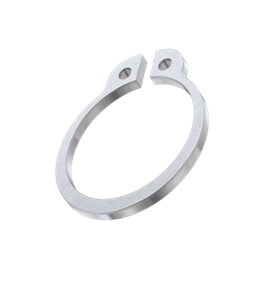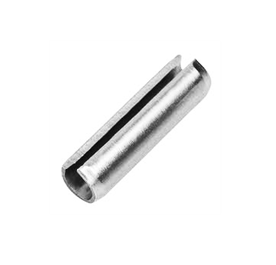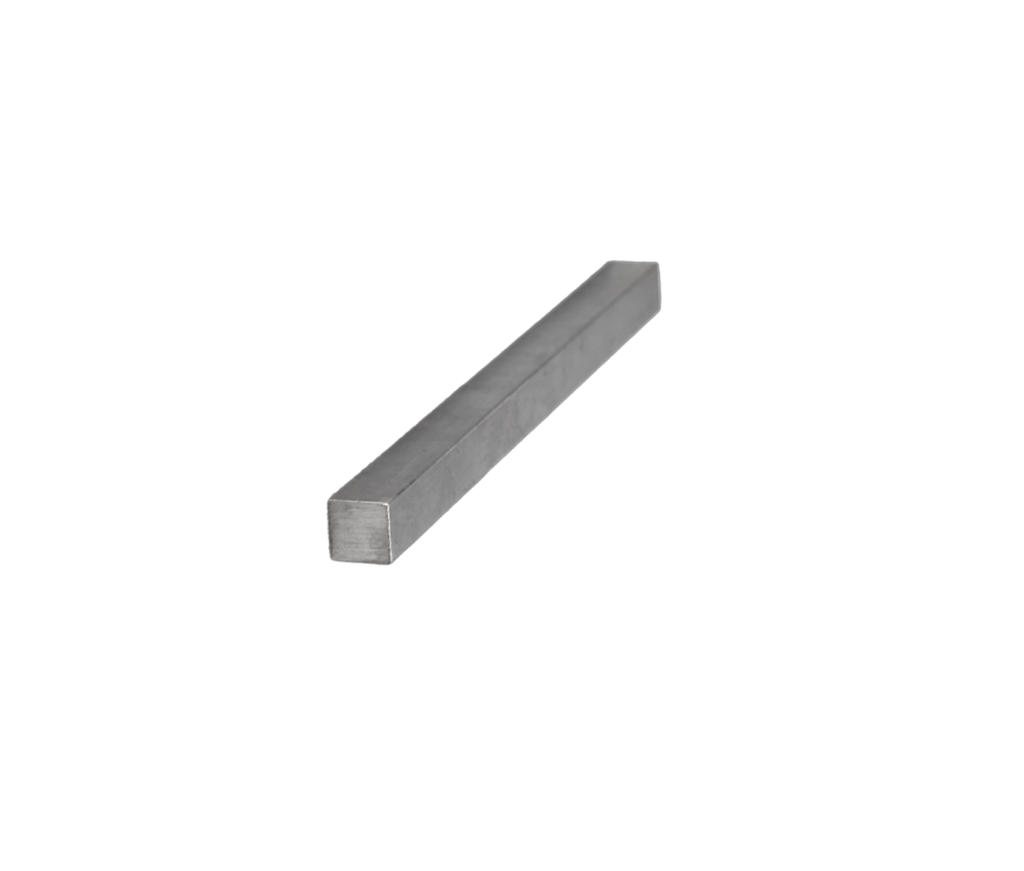
When standard carbon or stainless steel circlips fail under violent temperatures and aggressive corrosion, Inconel® Circlips keep your critical assemblies locked tight. Engineered for high-stress aerospace, automotive, and marine environments, these circlips provide ultimate structural integrity where mechanical failure is not an option.
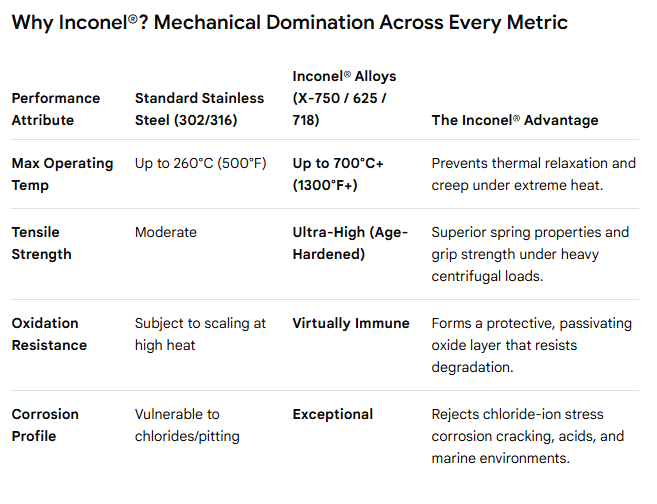
Engineered for Industry-Critical Applications
- Aerospace & Aviation: Securing turbine assemblies, exhaust systems, and fuel control valves subject to rapid thermal cycling.
- Motorsport & Performance Automotive: Critical retention inside turbochargers, high-performance valvetrains, and exhaust manifolds.
- Oil, Gas & Petrochemical: Downhole drilling tools, subsea valves, and process piping exposed to sour gas (H₂S) and high pressures.
- Marine Engineering: Fasteners and shafts continuously submerged in highly corrosive seawater environments.
Upgrade to Absolute Reliability. Request a Quote Today.
Don’t let a minor component cause a catastrophic system failure. Switch to the unyielding strength of Inconel Circlips.
📥 Contact our Sales Team today at sales@calebcomponents.com or call us on +44 (0)121 661 6664